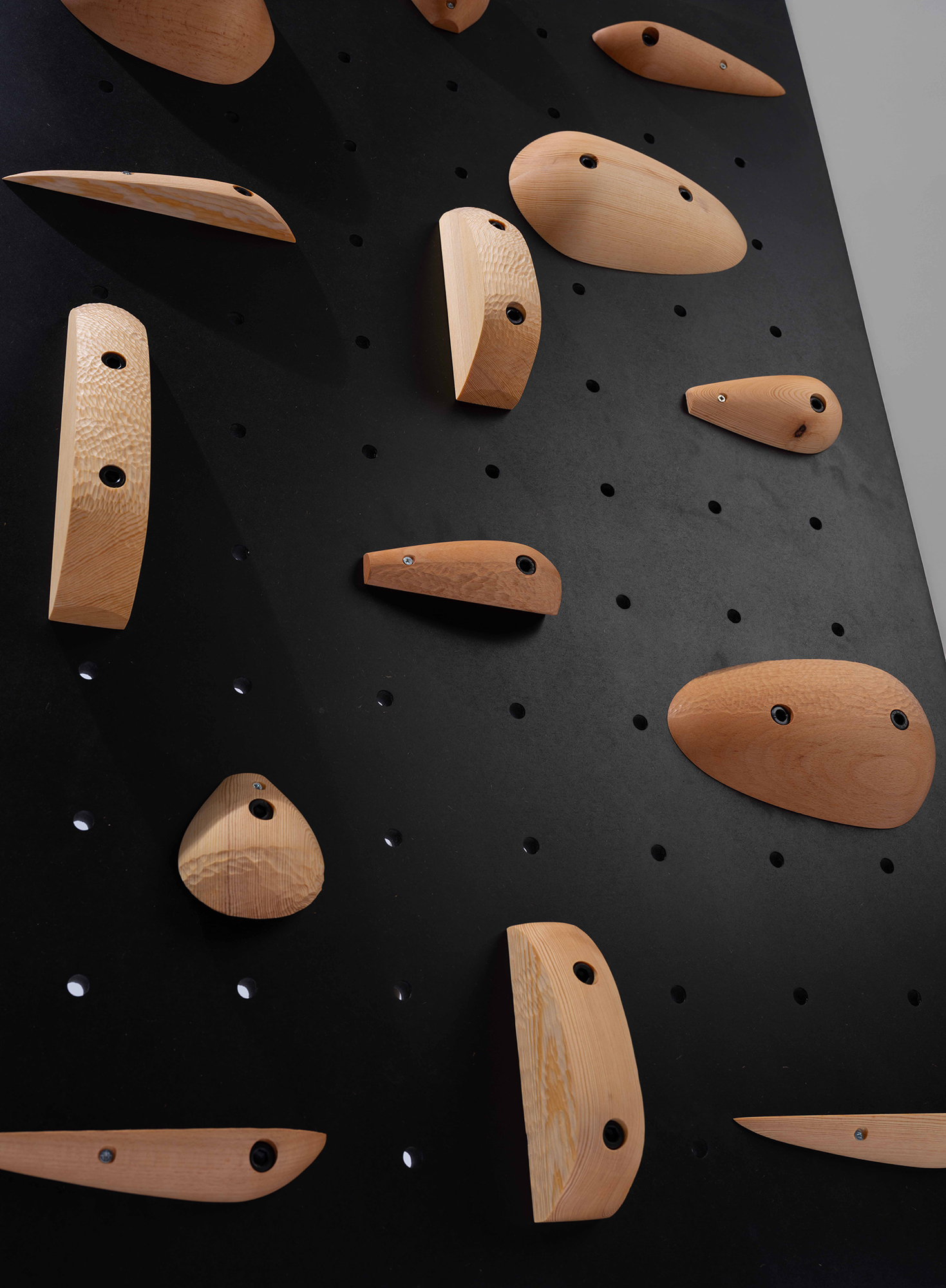
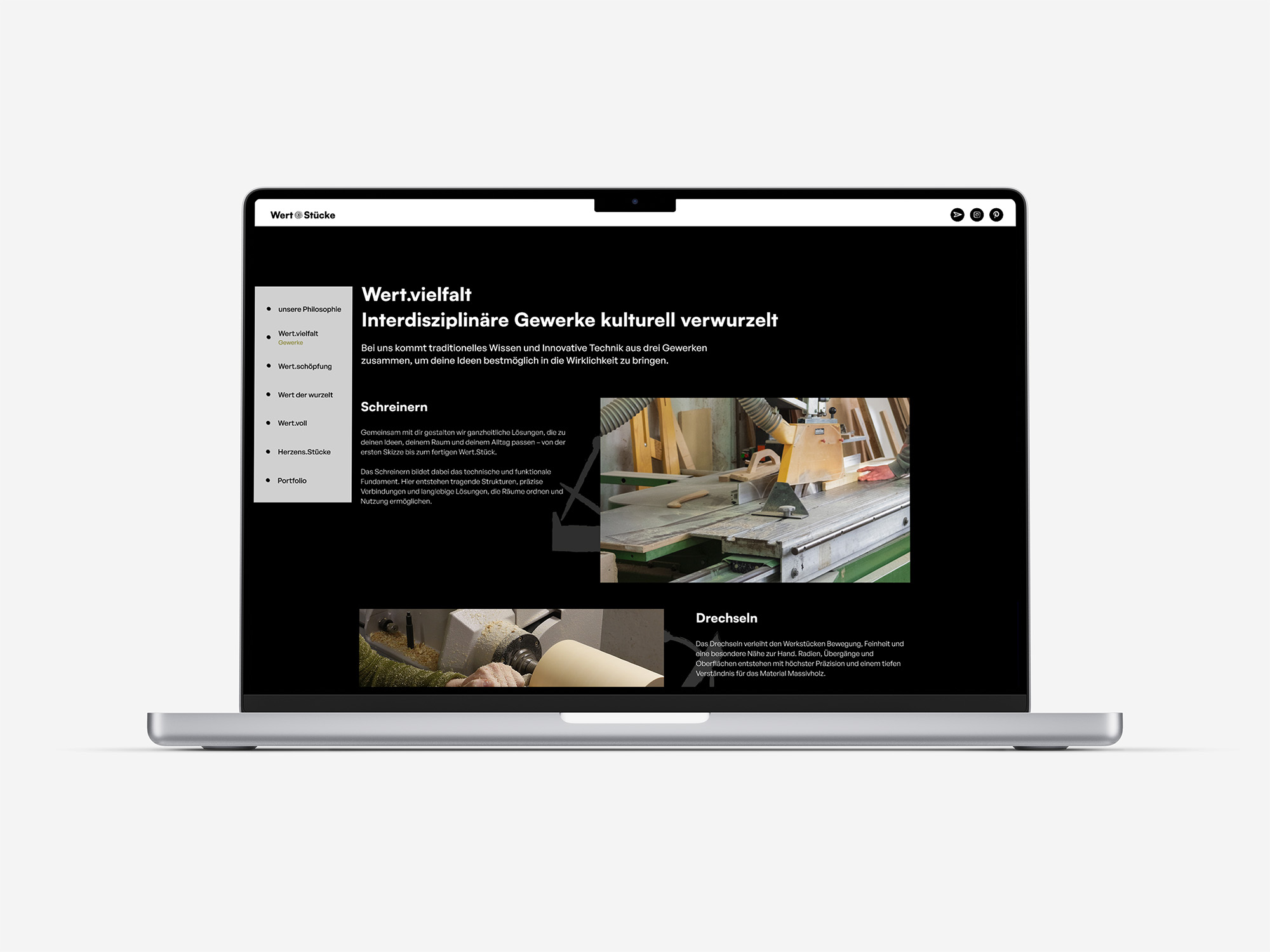
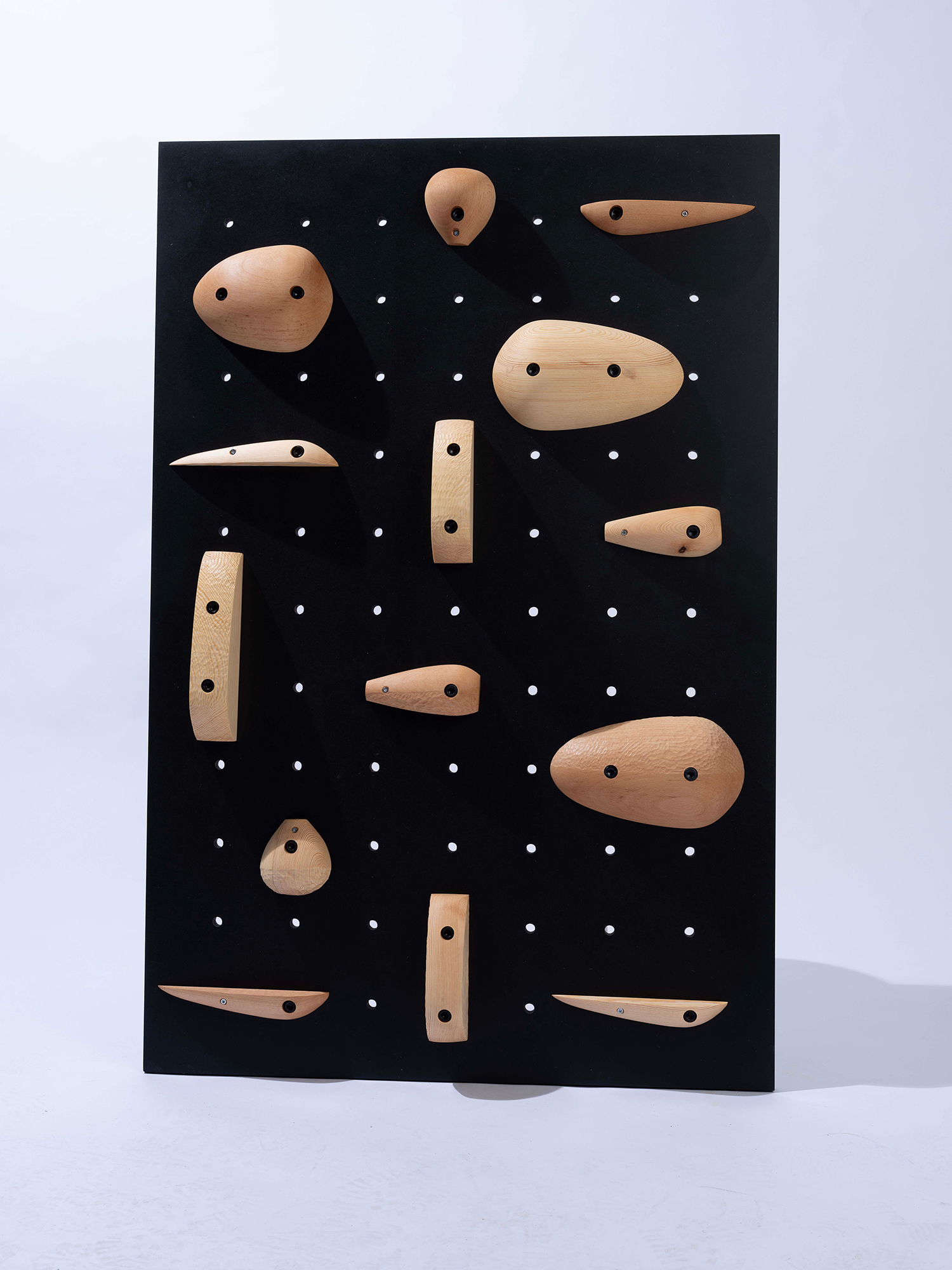
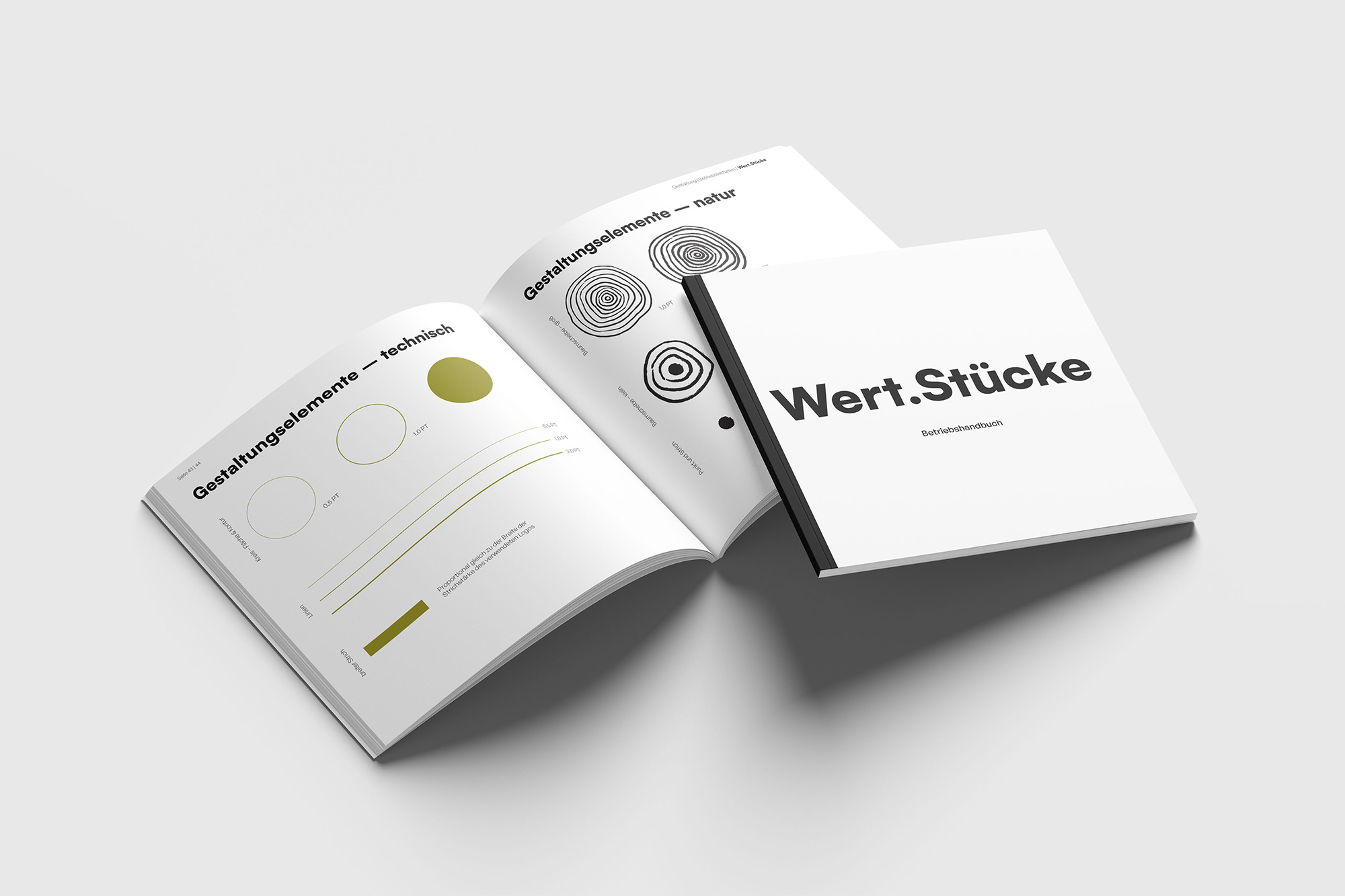
This thesis examines brand design as a strategic tool for generating visibility and market relevance in the (woodworking) craft sector. The starting point is the paradox that, despite high manufacturing quality, businesses lose distinctiveness in a brand-oriented consumer culture, which jeopardizes connectivity and succession perspectives. Methodologically, the research links a historical literature analysis with guideline-based expert interviews at the intersection of craft, design, and marketing. The qualitative interview analysis is transferred into a prospective impact network using future matrices and heatmaps. Building on this, a practical guideline is developed and operationalized in the proof of concept of the fictitious business “Wert.Stücke” as a brand manual, product series, and website. Results show that deficits are rooted in strategic incoherence rather than craftsmanship quality. Authenticity becomes effective when material proximity, process quality, and attitude are conveyed narratively.
Diese Website benutzt Cookies. Wenn du die Website weiter nutzt, gehen wir von deinem Einverständnis aus.