
Loop – A circular approach to product design on tourist islands. An example of Fernando de Noronha
Name(s) of graduate(s):
Marieta Langeani
2026
Bachelor of Arts Gestaltung Produktdesign
Bachelor of Arts
Description
Fernando de Noronha, a remote Brazilian island and UNESCO World Heritage Site, faces significant waste management challenges due to tourism, limited space and dependence on mainland infrastructure. This project investigates how product design can reveal relationships between consumption, waste, community practices and environmental responsibility on tourist islands.
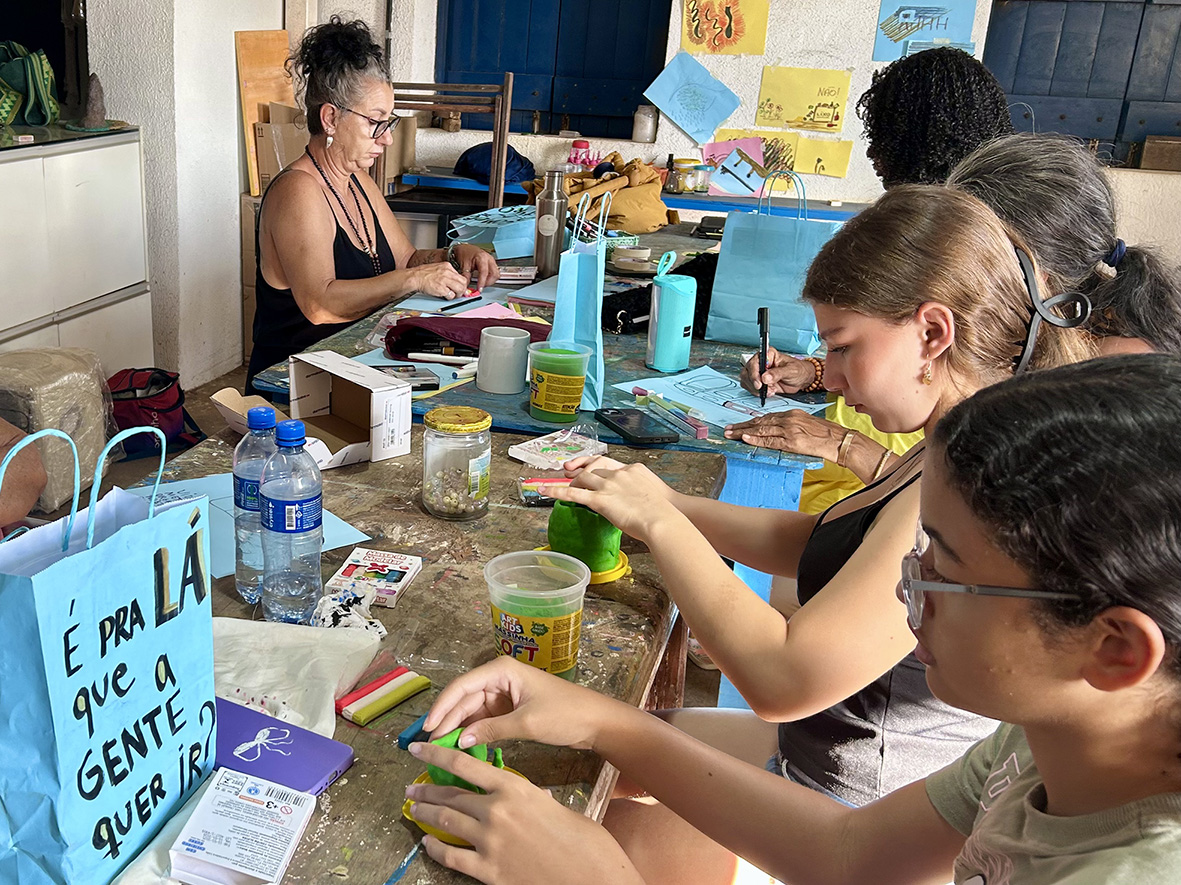
Using a Planet-Centered and Speculative Design approach, the research combines workshops, surveys and collaboration with local initiatives to map recycling practices, identify barriers and uncover opportunities for change. Design facilitates dialogue between residents, visitors and waste-management stakeholders.
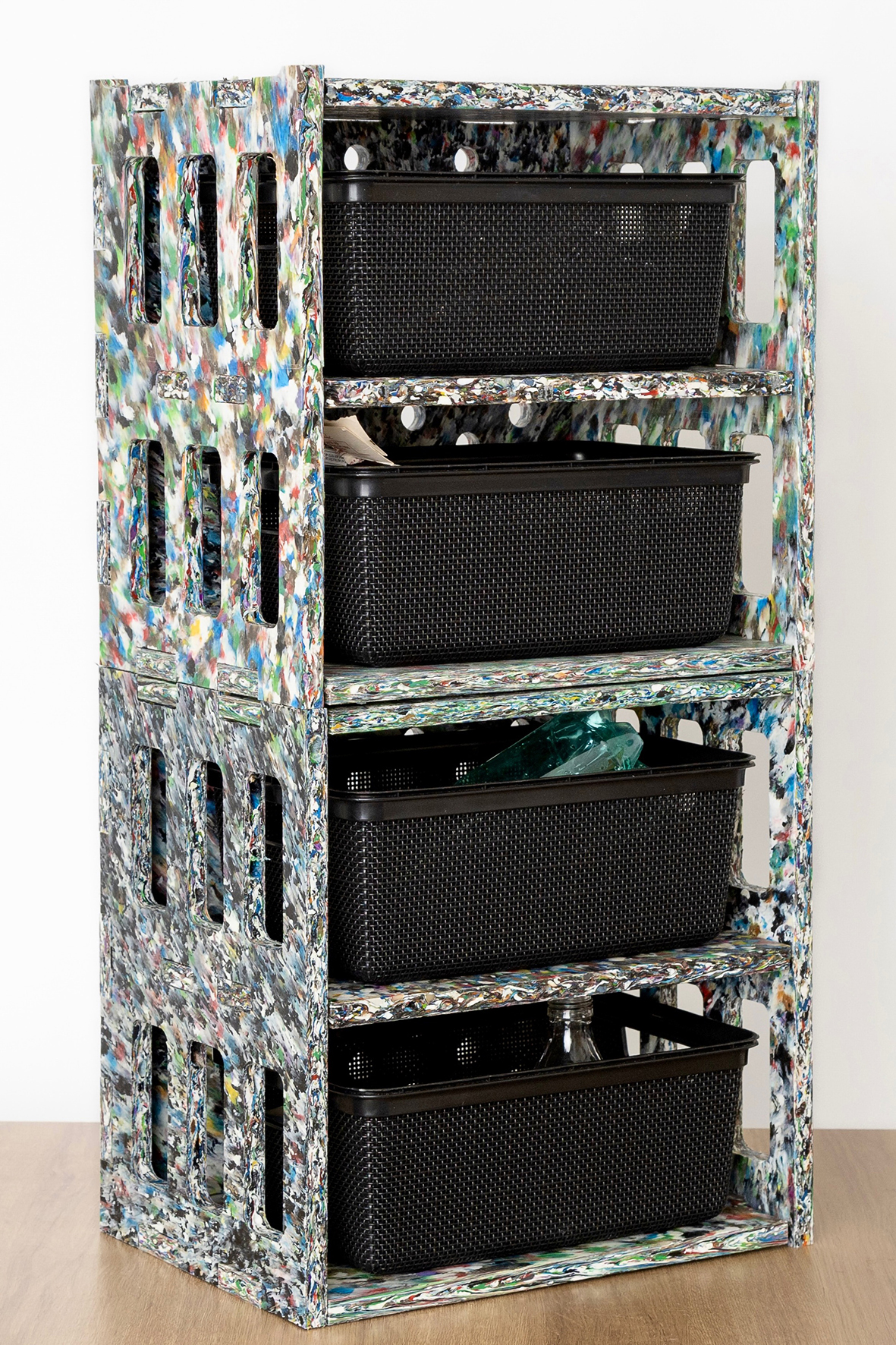
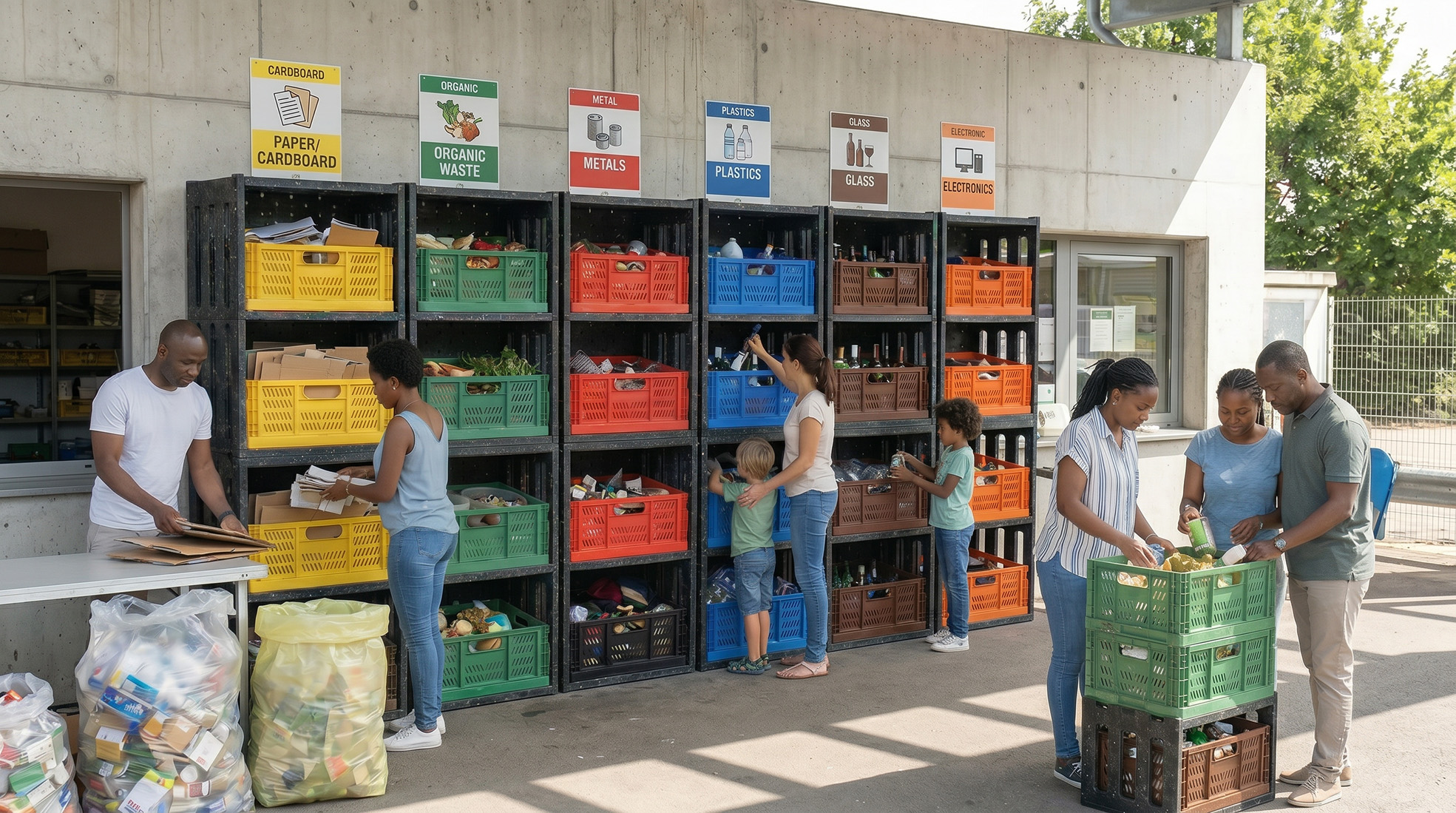
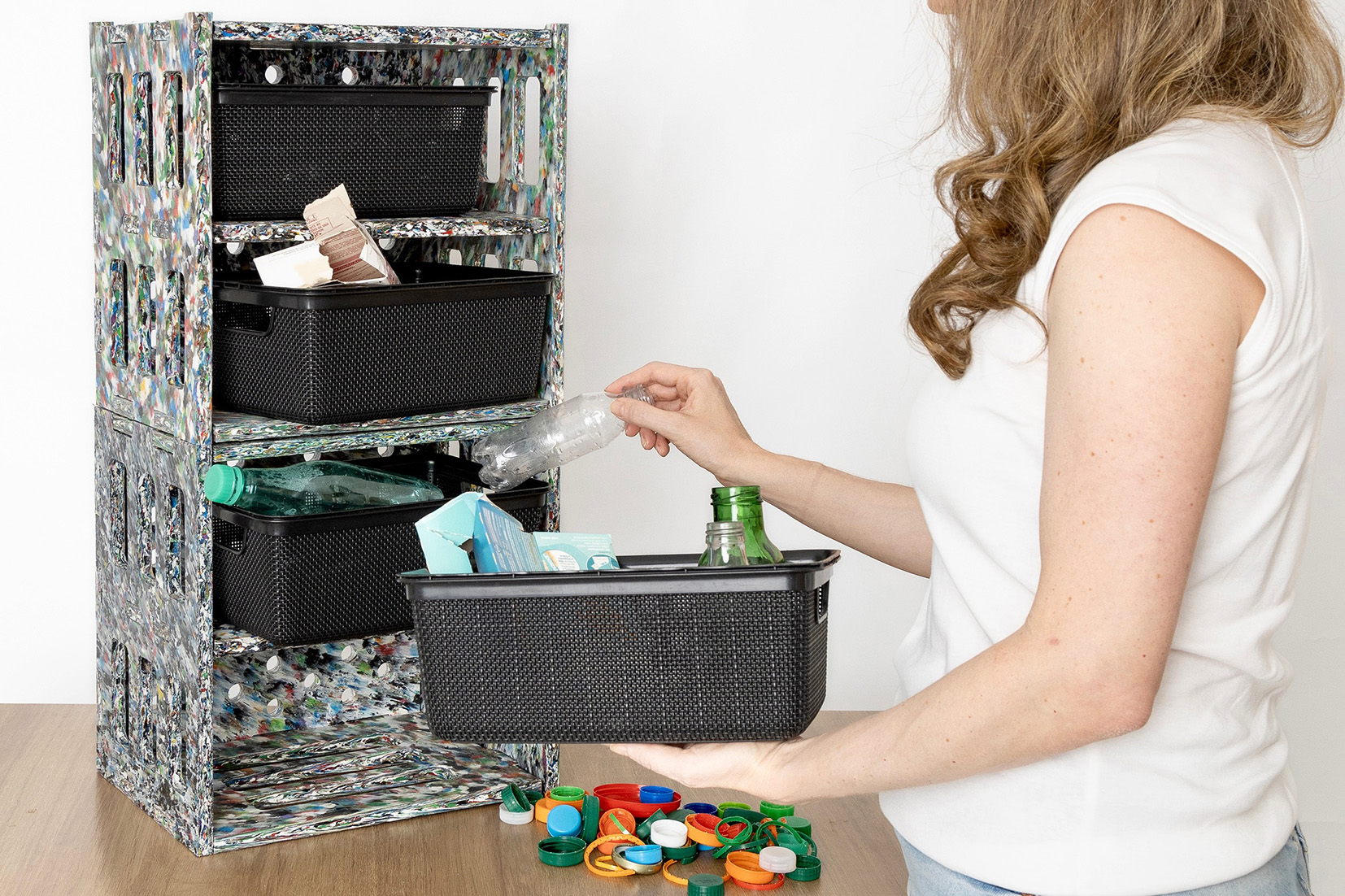
The outcome is a modular recycling system developed from local plastic waste, supported by a participatory design process that makes material flows and local issues more tangible. The system can be adapted from household use to community-scale collection, encouraging circular and locally adapted futures.
 Link to Video
Credits Video: Marieta Langeani and Mariano Correa shot the video. Marieta Langeani edited and owns it and its reproduction rights.