

INTERTWINED
INTERTWINED
Name(s) of graduate(s):Harika Lehman
2025
Hochschule Wismar – Fakultät Gestaltung Design - Produkt und Schmuck
Bachelor of Arts
Description
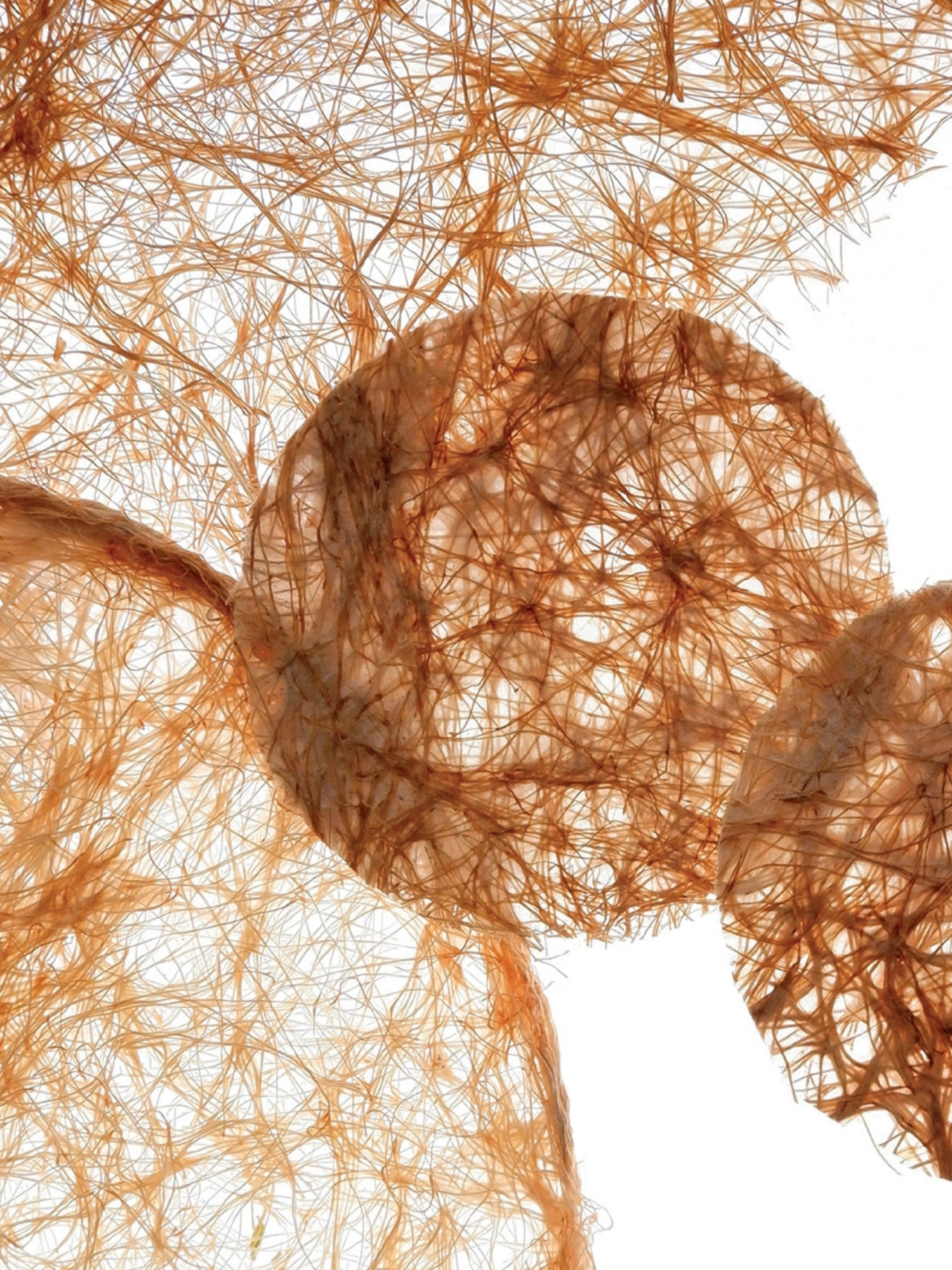
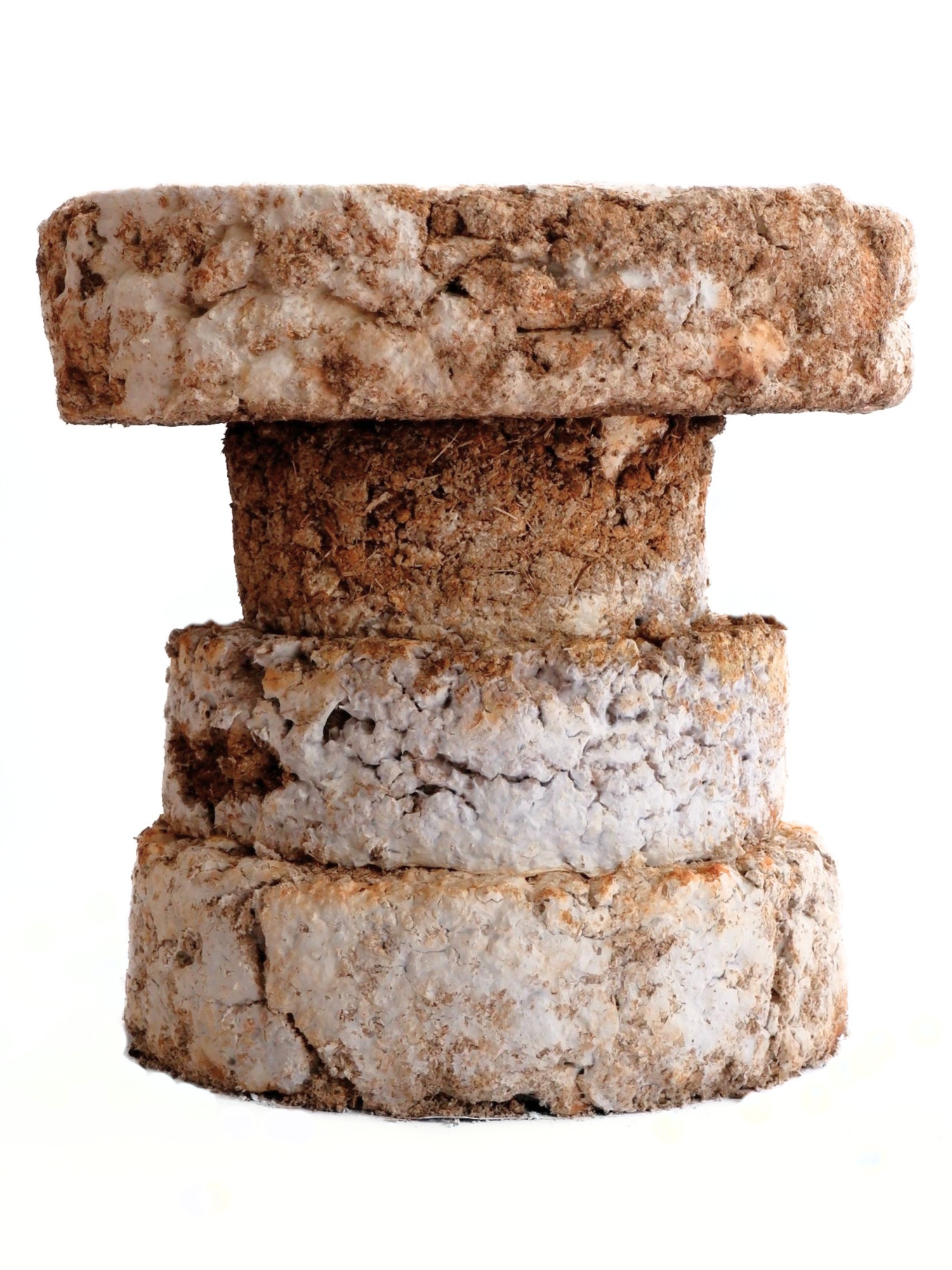
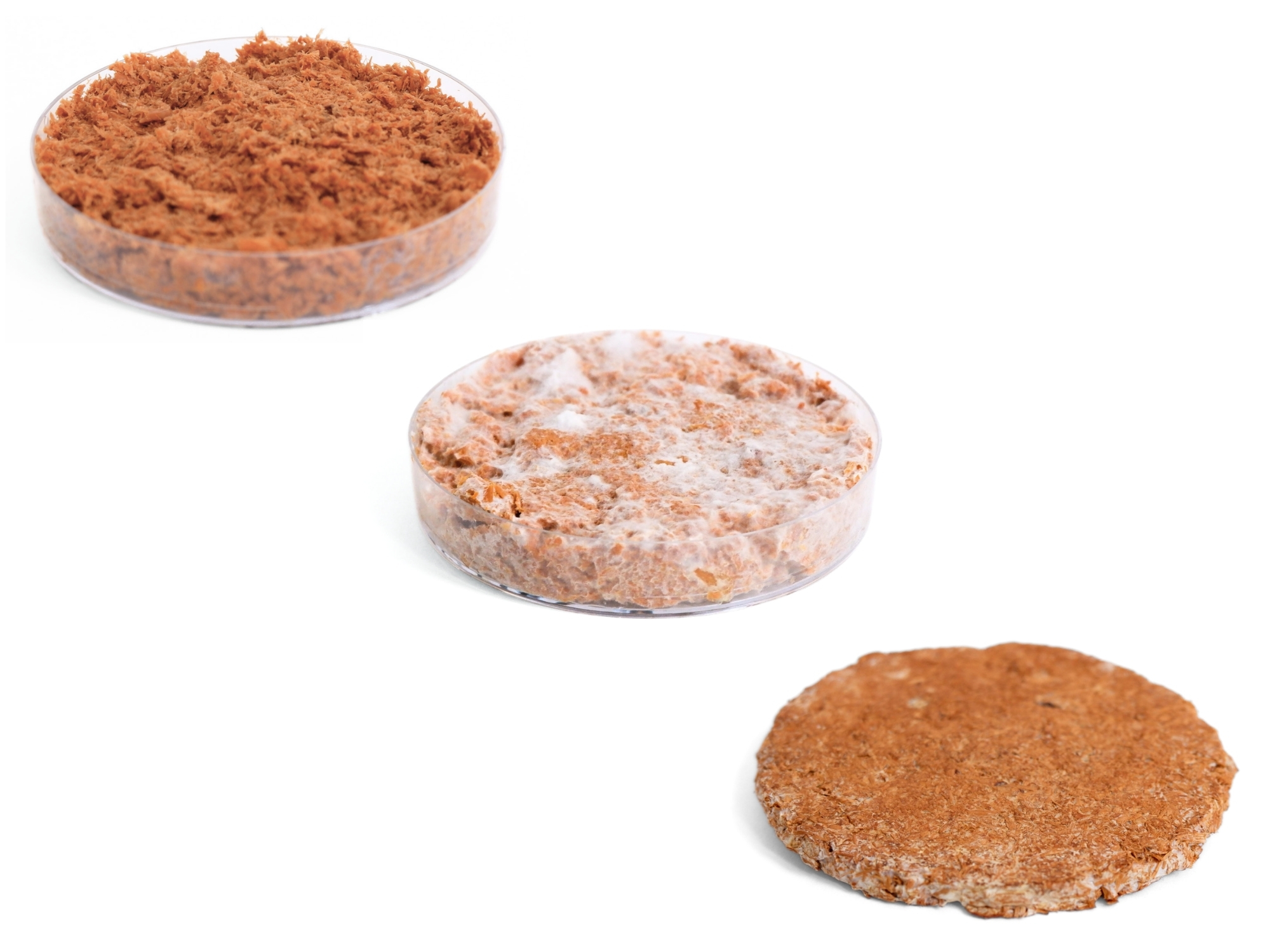
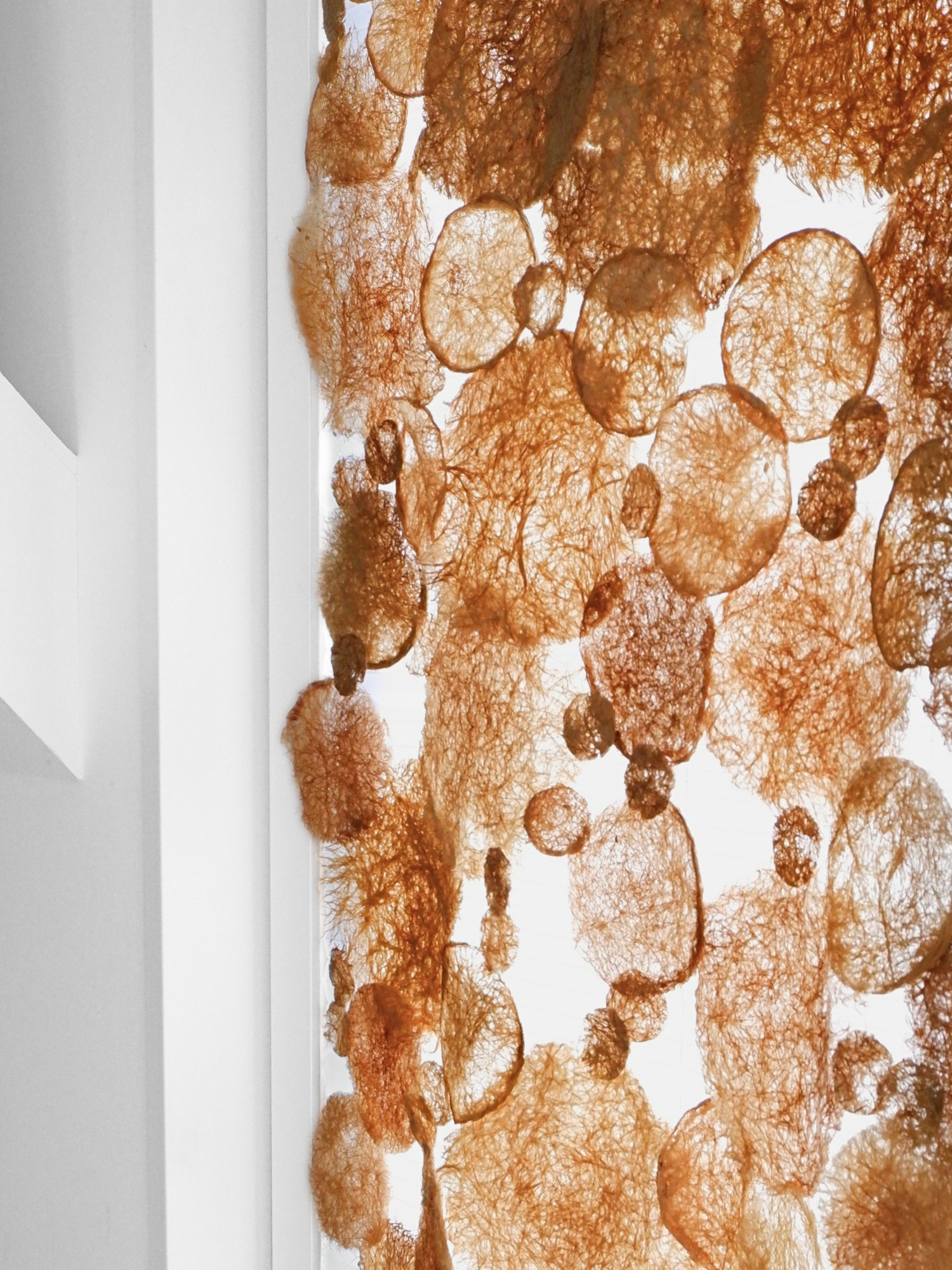
INTERTWINED views design as a responsibility for shaping holistic processes, interdisciplinary perspectives, and sustainable products. The work investigates the potential of grown materials from plant roots and fungal mycelium as an alternative to composite materials. In the process, new materials are created through the interaction of design and living organisms. These organisms serve as a source of material, a provider of structure, and are an active part of the manufacturing process. The interplay between controlled growth conditions and naturally emerging structures, within the tension field between design, biology, and materials science, determines the form.
The objects, home textiles made from a plant-root composite and a table made from a mycelium composite, combine functionality and aesthetics. They demonstrate the potential of a holistic, resource-conserving material culture in design and make the complexity of the process intuitively experiential and visible through material authenticity.
Harika Lehman
2025
Design - Produkt und Schmuck
Bachelor of Arts
Description
INTERTWINED views design as a responsibility for shaping holistic processes, interdisciplinary perspectives, and sustainable products. The work investigates the potential of grown materials from plant roots and fungal mycelium as an alternative to composite materials. In the process, new materials are created through the interaction of design and living organisms. These organisms serve as a source of material, a provider of structure, and are an active part of the manufacturing process. The interplay between controlled growth conditions and naturally emerging structures, within the tension field between design, biology, and materials science, determines the form.
The objects, home textiles made from a plant-root composite and a table made from a mycelium composite, combine functionality and aesthetics. They demonstrate the potential of a holistic, resource-conserving material culture in design and make the complexity of the process intuitively experiential and visible through material authenticity.