Form Follows Friendship 2026
Co-Design as a democratic practice
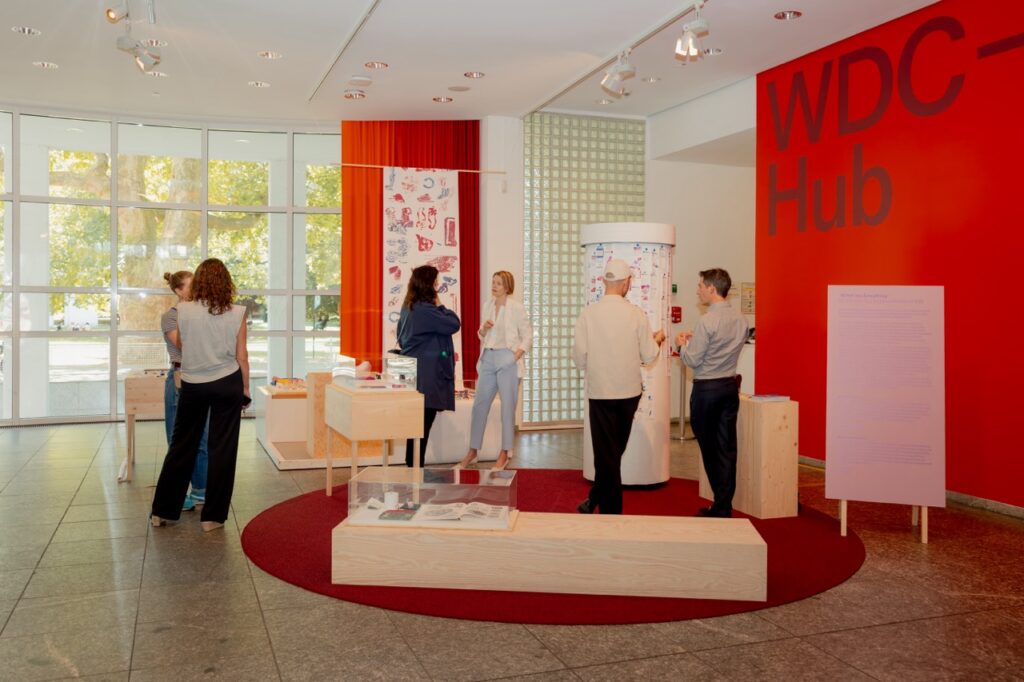
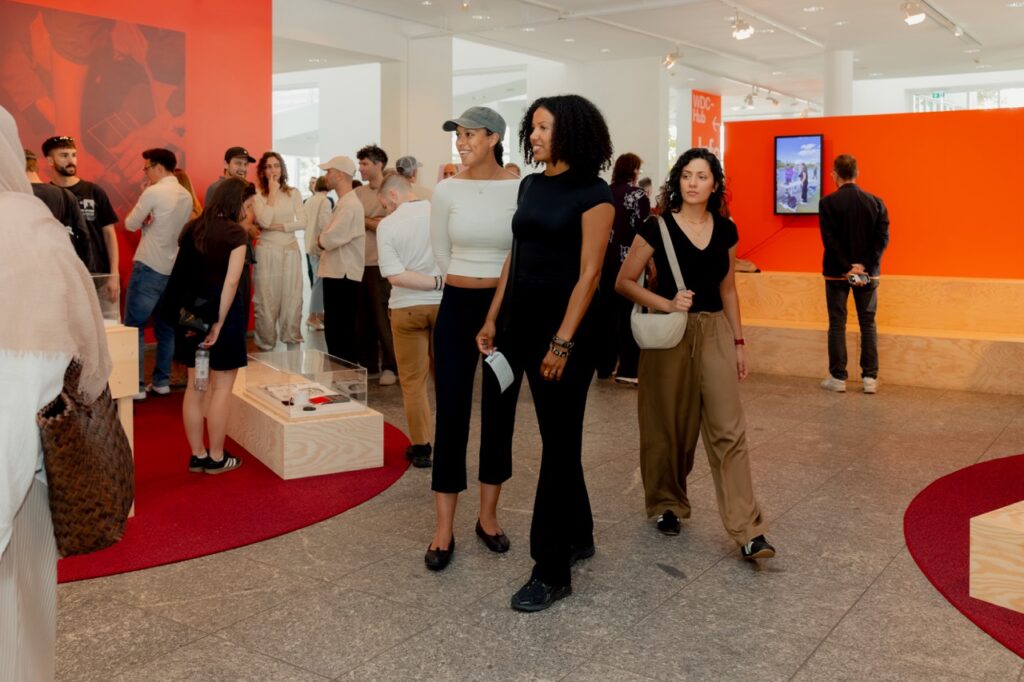
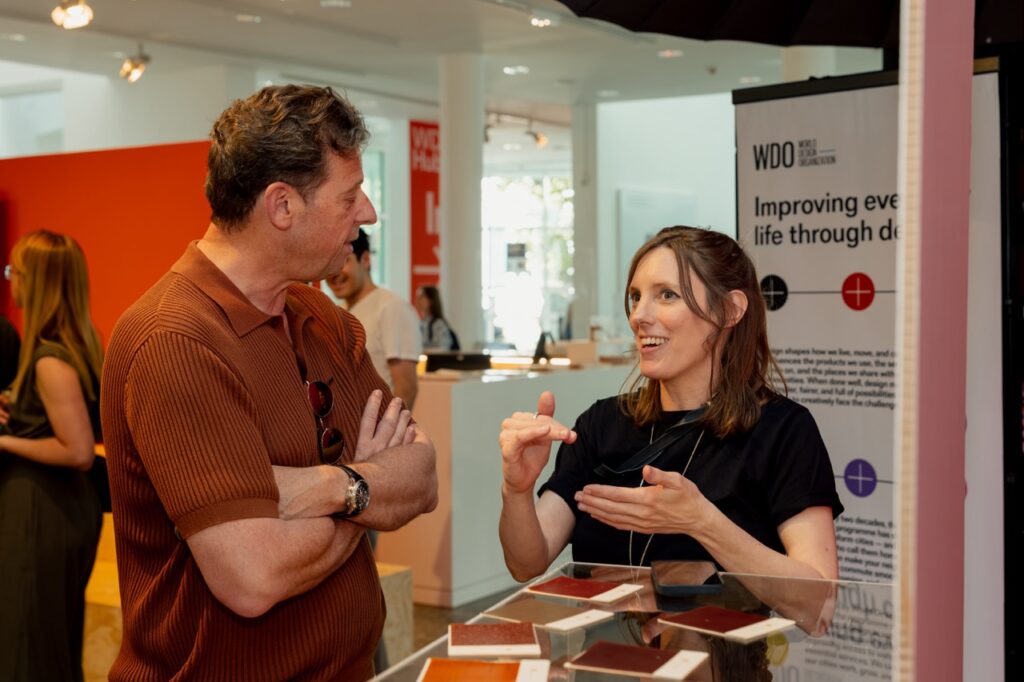
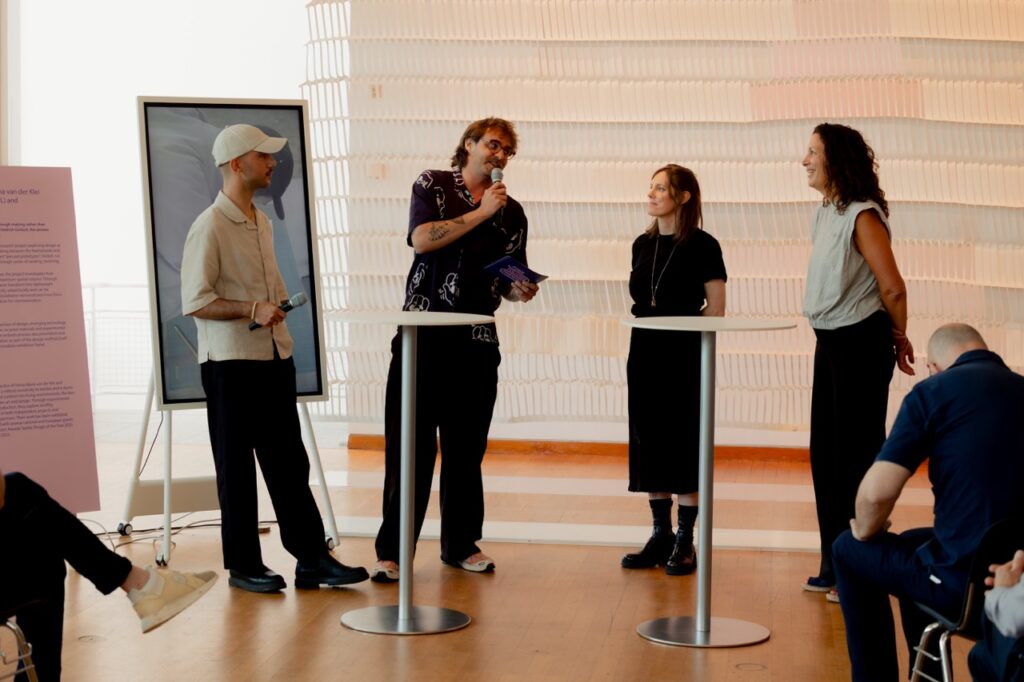
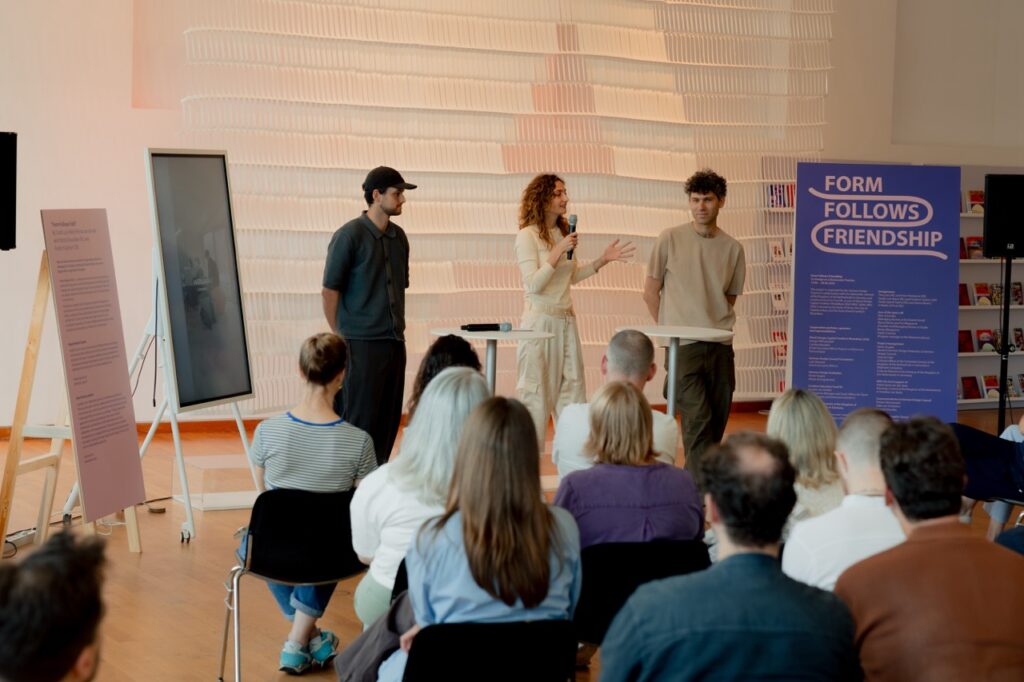
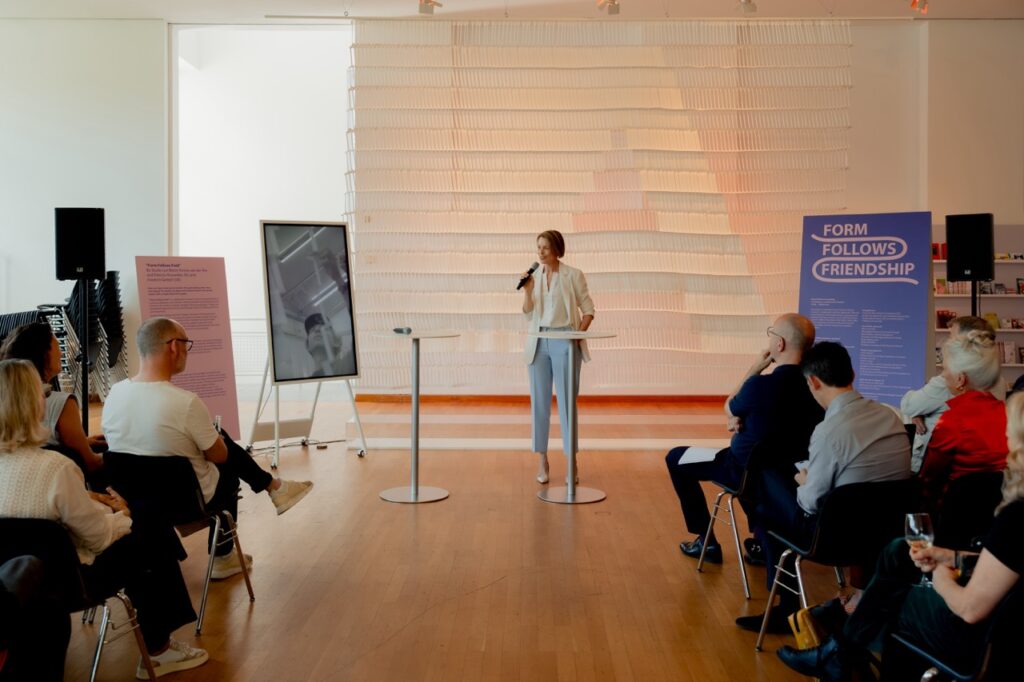
Form Follows Friendship is a project by the German Design Council in collaboration with the diplomatic network of the Kingdom of the Netherlands and Creative Industries Fund NL as part of World Design Capital Frankfurt RheinMain 2026 (WDC 2026). WDC 2026 is funded by the State of Hesse, the City of Frankfurt/Main and the Kulturfonds Frankfurt RheinMain.
It brings together emerging designers from Germany and the Netherlands, who work in small teams over several months. Their collaboration is structured through making. Models are built, exchanged and reworked, allowing ideas to develop through material and iteration.
The programme reflects current shifts in design. It focuses on how designers work across borders and disciplines, and how shared authorship takes shape through concrete processes.
The projects address questions around resources, digital tools and collective ways of working. They respond through experimentation and practical exploration.
OPENING
13 June 2026, 16–18h
WDC-Hub, Ground Floor
Museum Angewandte Kunst Frankfurt
Free admission
EXHIBITION
14–28 June 2026
A cooperation between



ABOUT THE EXHIBITORS
The selected designers represent a young generation working across product design, digital practice, communication and material research. They bring different methods, references and working styles. The programme places them in binational teams, where these differences become part of the process. Collaboration is not an addition, but the basis of the work.
A MATTER OF LIGHT
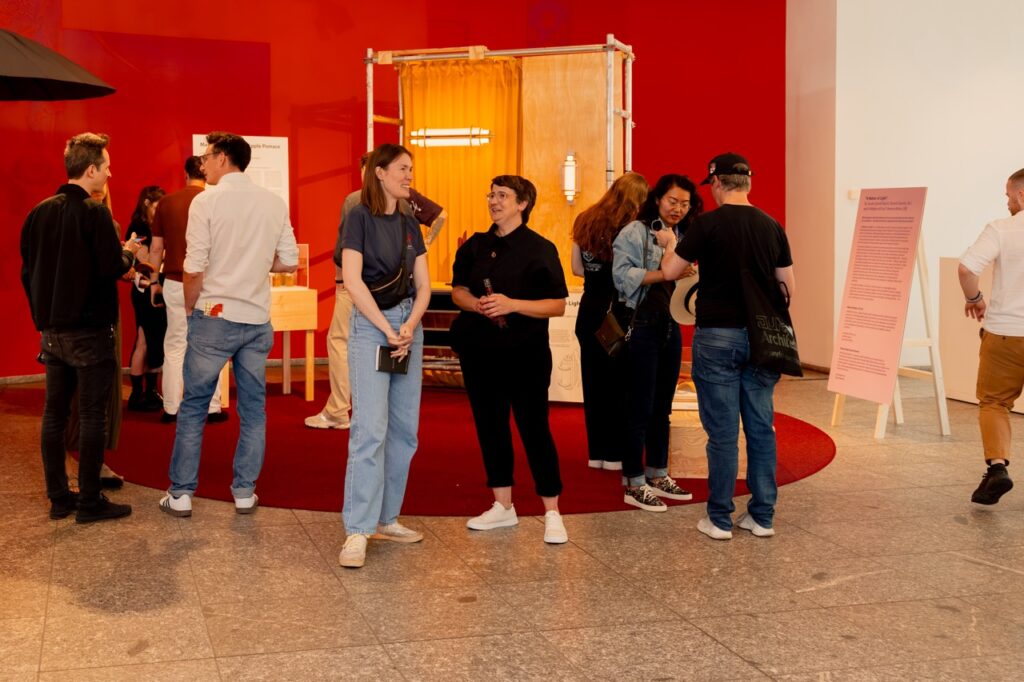
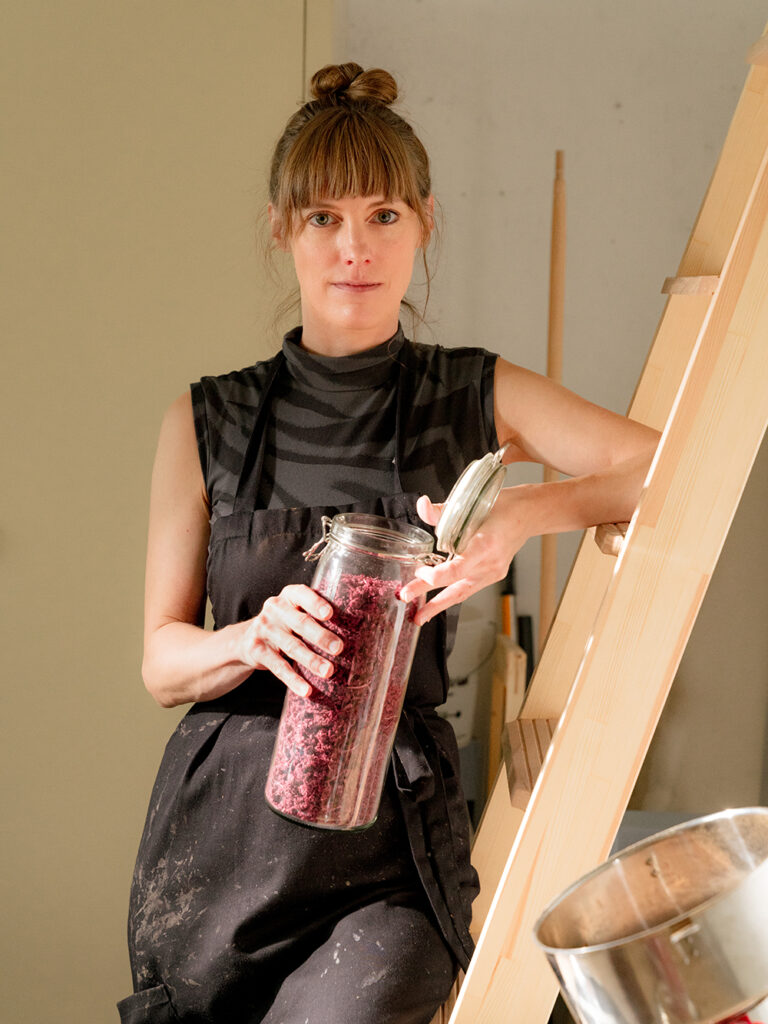
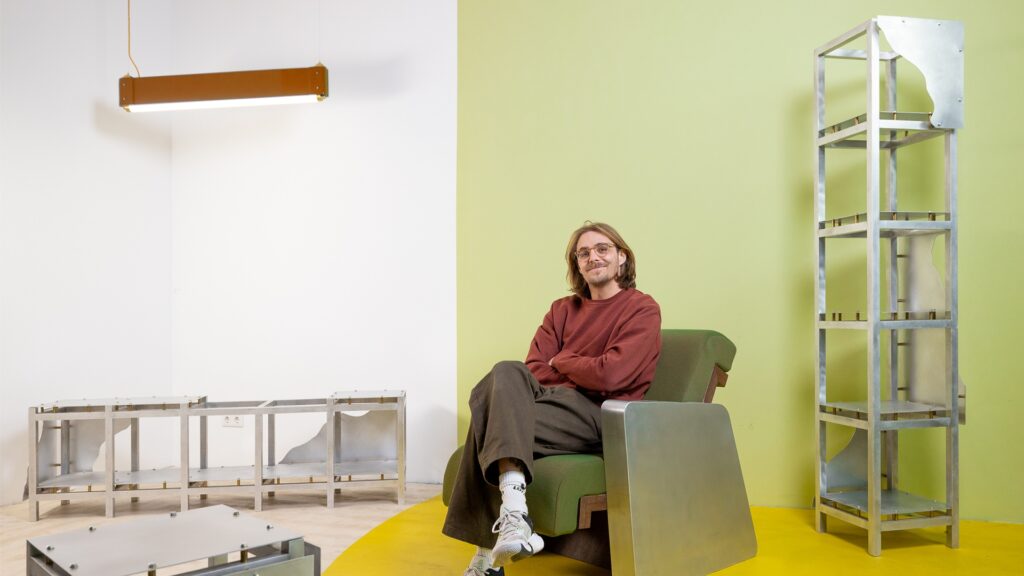
What happens when the leftovers from a juice press become the material for a luminaire – and that luminaire is designed to be fully disassembled? “A Matter of Light” is a collaborative research project bringing together the Berlin-based regenerative design studio A Matter of Fruit and Studio Sjoerd Geerts in Eindhoven. Working between Germany and the Netherlands, the two studios combine expertise in bio-based material development and circular product design to create a small series of light objects conceived from the outset for disassembly, repair and material recovery.
The project addresses a simple but pressing problem: most interior lighting relies on fossil-based plastics, energy-intensive materials and constructions that make repair or reuse impossible. Each studio contributes a distinct approach. A Matter of Fruit‘s plant-based, fully biodegradable film – derived from apple pomace, the residue left after juice pressing – diffuses light with a translucent quality that sits somewhere between paper and plastic. Studio Sjoerd Geerts develops the architecture of the object itself: luminaires in which form, assembly, light behaviour and end-of-life are designed together from the start. All connections are mechanical rather than adhesive, allowing components to be separated, reconfigured and recovered, and the overall structure to be adapted or repaired rather than
replaced.
The wider ambition is not just a new lamp but a conversation about everyday resource use, regional supply chains and what it means to design objects for a world of increasing material scarcity. The project suggests that waste-derived materials can be functional, desirable and long-lasting – not as a compromise, but as a proposition.
FORM FOLLOWS FOLD
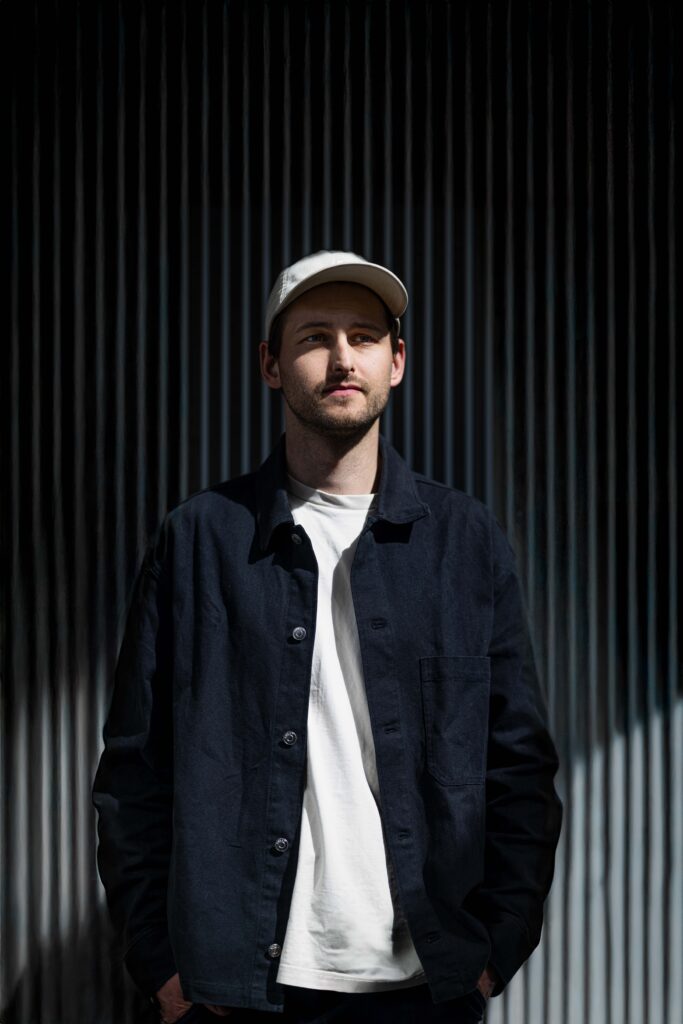
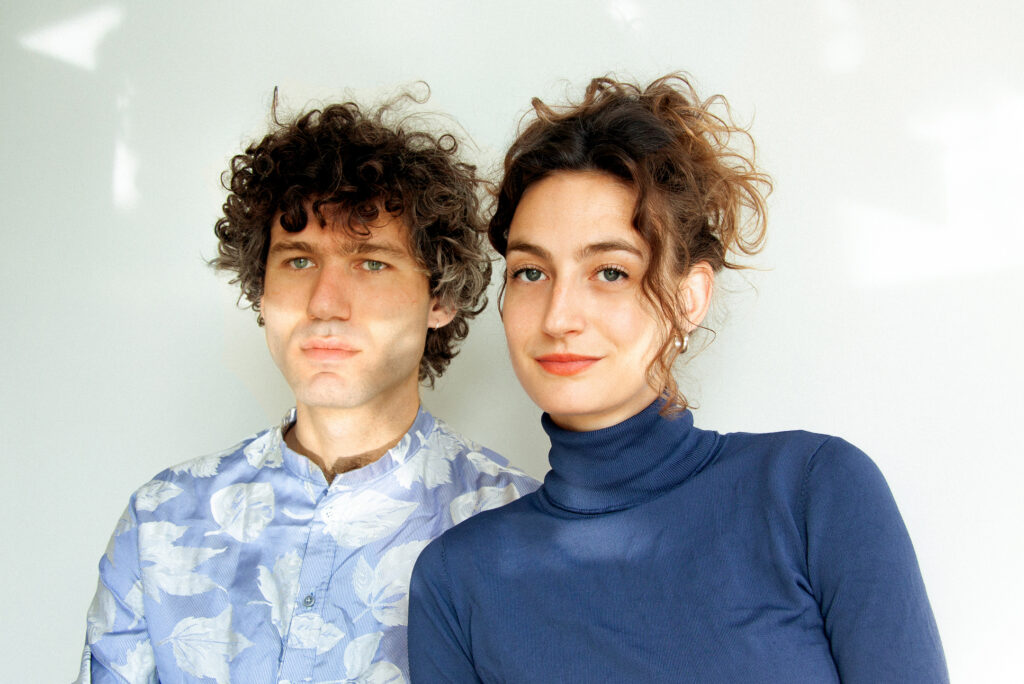
How can ideas travel across borders through making rather than messaging? For Studio Luis Marie and Friedrich Gerlach, the answer begins with a single sheet of A3 paper.
“Form Follows Fold” is a collaborative research project exploring design as a physical dialogue across borders. Working between the Netherlands and Germany, the studios exchange compact “pen-pal prototypes”: folded, cut and draped experiments that evolve through cycles of sending, receiving and responding.
Starting from a single sheet of A3 paper, the project investigates how minimal interventions can generate maximum spatial volume. Through folding, cutting and draping, flat surfaces transform into lightweight architectural structures that travel easily, adapt locally and can be reconfigured repeatedly. A full-scale installation demonstrates how these principles could be applied as a medium for communication.
AI TELL YOU EVERYTHING
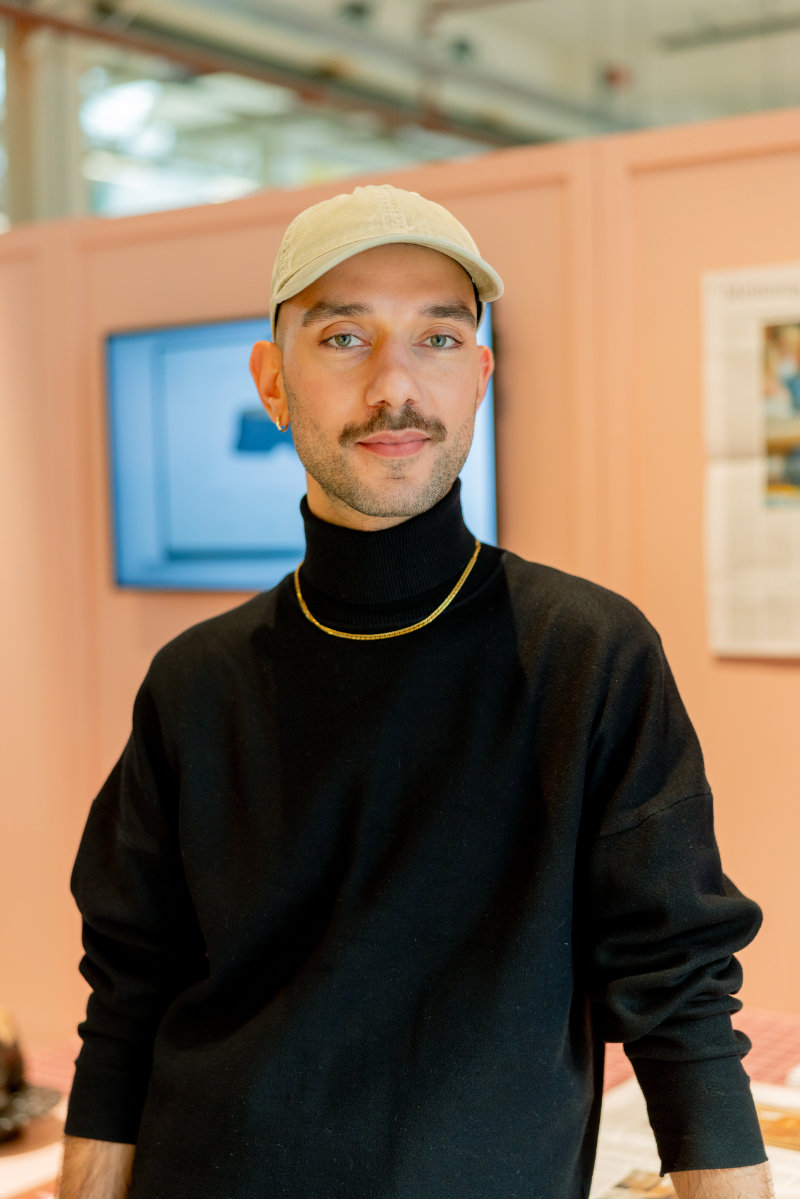
How do we know who is speaking when a machine writes the news? For Tina Lenz and Enes Pavluković, the answer begins not with technology but with a simple question posed to a room full of people.
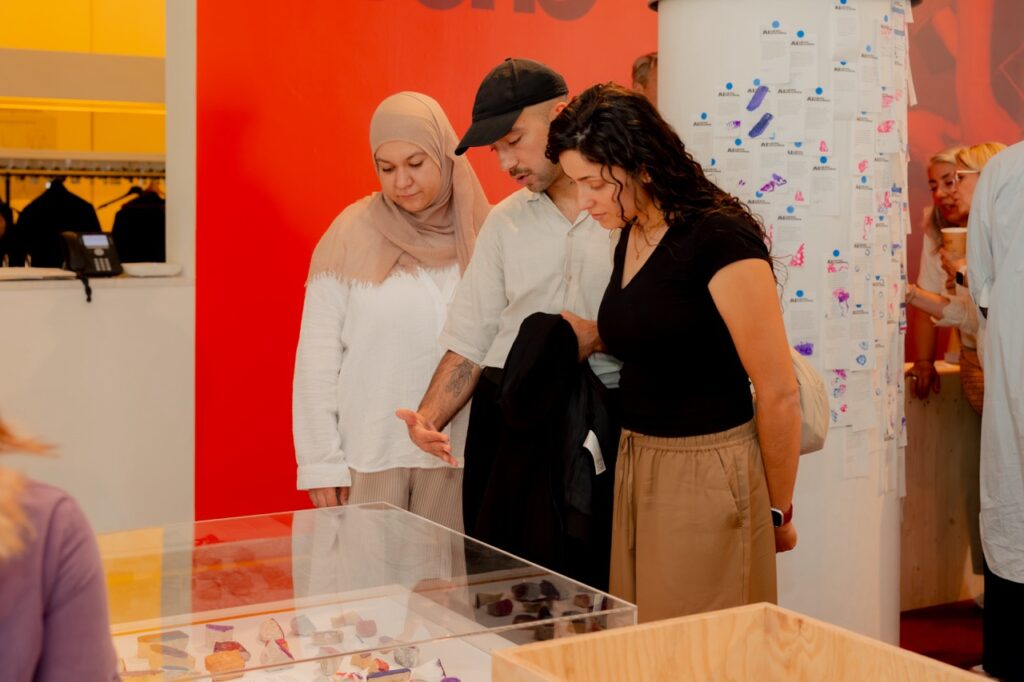
“AI Tell You Everything” is a participatory research project exploring authorship, voice and editorial agency in the age of automated media production. Working between the Netherlands and Germany, Lenz and Pavluković developed a workshop process that took place in three iterations – in April in Amsterdam, and in May and June in Frankfurt am Main – inviting participants to generate, edit and physically mark AI-produced micro-stories based on their own lived experience.
Each session begins with a simple activating question: participants share a personal or local piece of news, which becomes the input for AI-generated micro-stories printed on recycled receipt paper using a thermal printer. The receipt references everyday economic transactions and the fleeting nature of digital information. Participants generate multiple versions, compare them and select the one that resonates most with their own perspective. They then intervene manually – through stone-carving and stamping with ink – transforming the printed text into a “Traktate”: a consciously edited, collectively negotiated micro-publication that is theirs to keep.
The thermal print fades over time. What endures is the analogue mark, the visible trace of human choice. The title holds one last misdirection: AI refers not to artificial intelligence but to the first-person singular. The question of whose voice is speaking was always the point.
ABOUT THE JURY
The projects were selected by an interdisciplinary jury with experience across design, architecture and cultural practice.
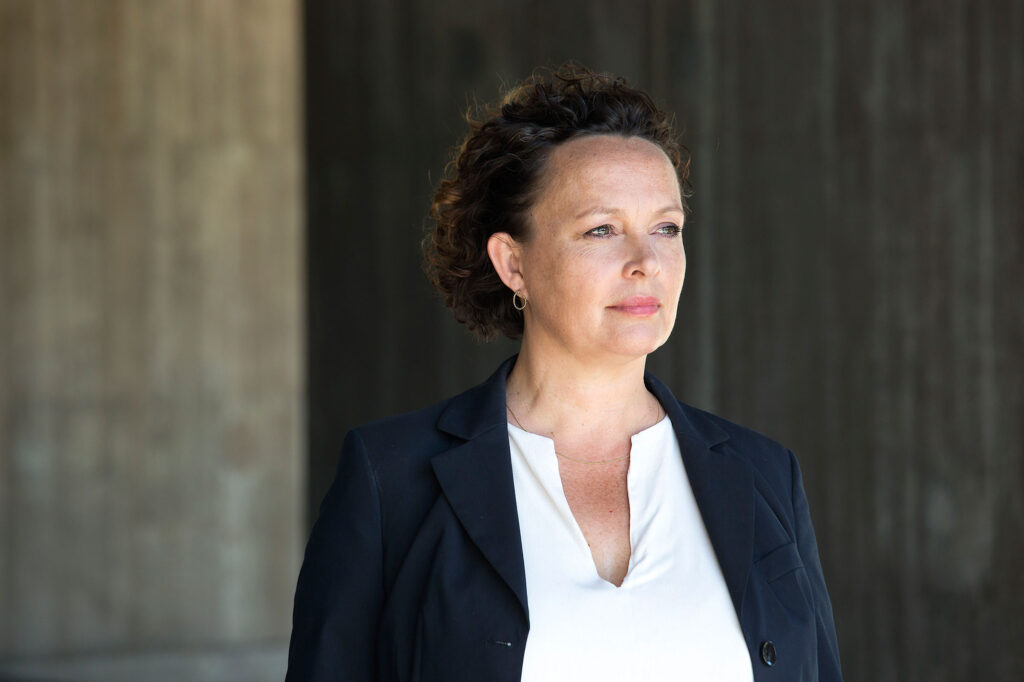
Managing Partner at De Zwarte Hond, responsible for corporate strategy and development, branding, PR and communications.
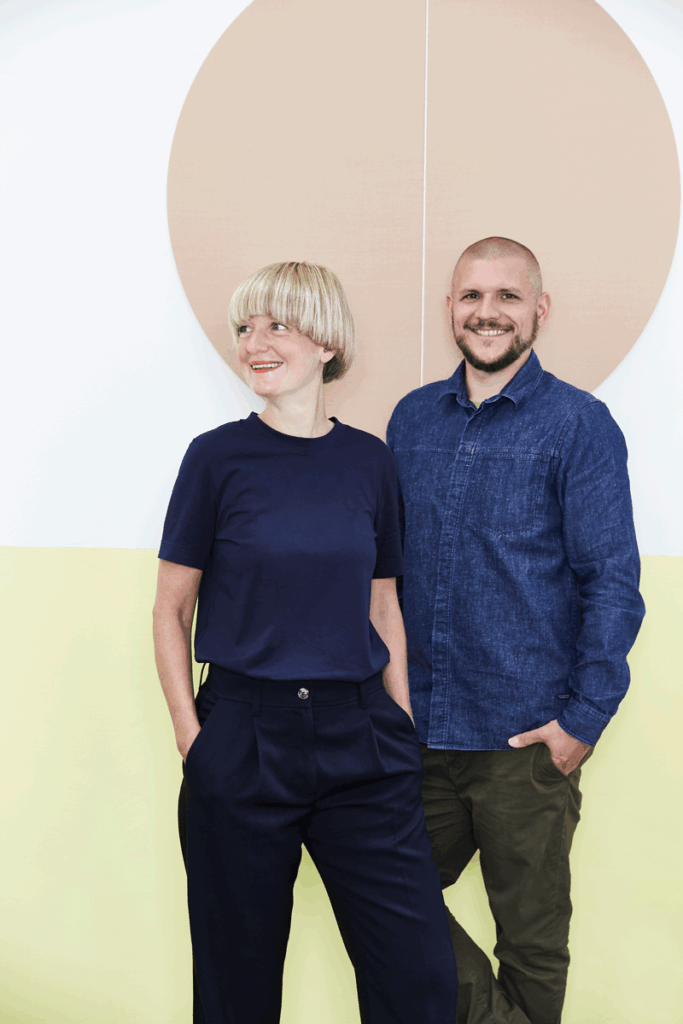
Foto: Silke Zander
Marcel Besau und Eva Marguerre
Studio Besau-Marguerre is known for its holistic design approach, which brings together disciplines such as product design, visual communication, interior styling, colour consulting and interior design. Since its founding in 2011 by Eva Marguerre and Marcel Besau, the Hamburg-based design studio has made a name for itself through its attention to detail and its keen sense of colour, form and materials.
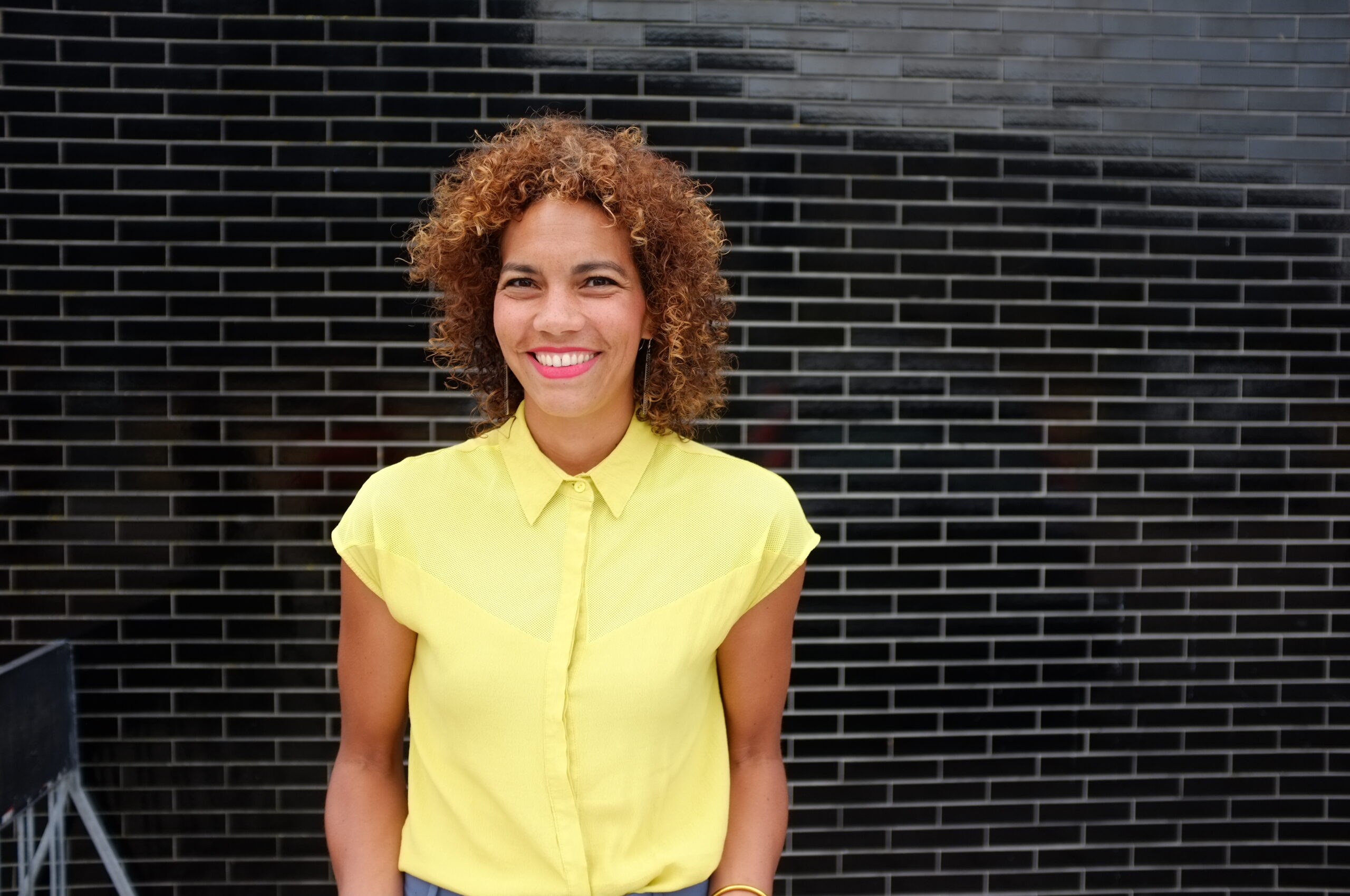
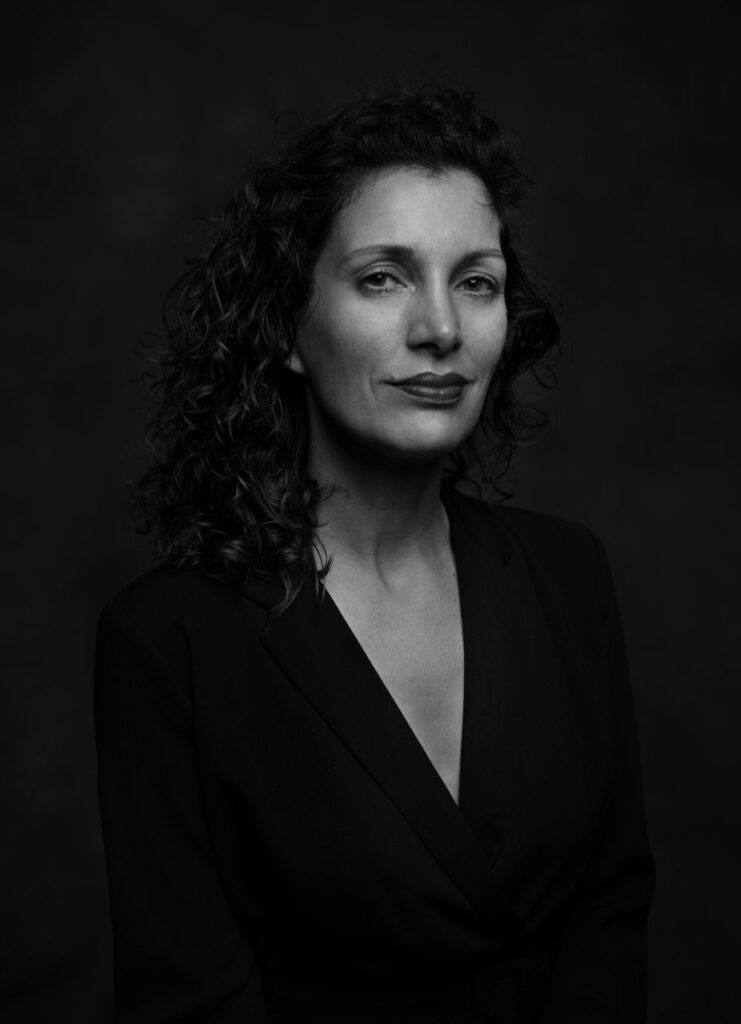
Nadia Troeman is a programme manager at the Nieuwe Instituut in Rotterdam (NL) and has a background in graphic and exhibition design. She has experience in building networks between professionals and a wider creative audience. She knows that valuable experiences are created when programmes are content-driven and visitor-focused, and are developed in collaboration with various partners.
ANSPRECHPARTNER*INNEN
Katrin Krupka, Projektleiterin German Design Graduates
Katrin.Krupka@gdc.de
Lene ter Haar, Kulturreferentin beim Niederländischen Generalkonsulat in Düsseldorf
lene-ter.haar@minbuza.nl